
How much does it cost to build or renovate on the Sunshine Coast in 2026
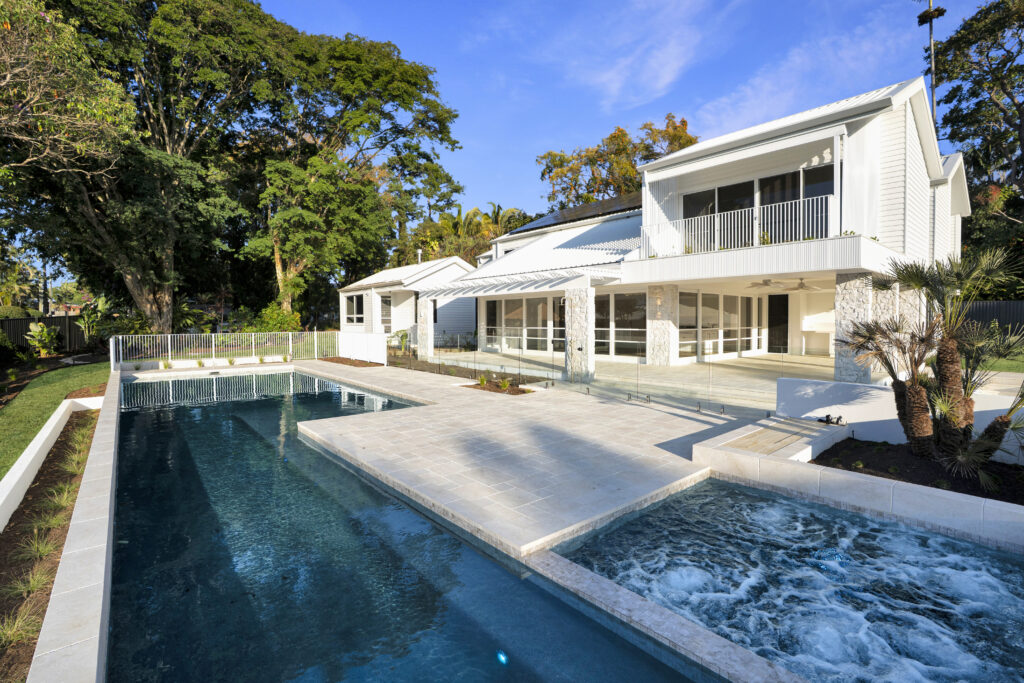
The Costs and Profits of Building or Renovating a Custom Home on the Sunshine Coast in 2026
The Sunshine Coast continues to rank among Australia’s most desirable lifestyle and investment regions, and as we move into 2026, both building and renovating custom homes remain compelling options for owner-occupiers and investors alike. Strong population growth, sustained housing demand, and a limited supply have combined to support long-term property values across many coastal and hinterland suburbs. However, success in a custom build or renovation project depends on a clear understanding of costs, value creation, and disciplined decision-making throughout the design and construction process.
In 2026, renovation costs on the Sunshine Coast typically start at approximately $3,500 per square metre, with the final figure increasing depending on design complexity, material selections, and the level of workmanship required. This base range generally reflects well-executed renovations using durable materials, compliant construction methods, and experienced trades. Higher-end renovations—particularly those incorporating architectural detailing, bespoke joinery, premium finishes, and complex structural changes—can rise well beyond this starting point.
At the upper end of the market, the cost is not driven by materials alone. The level of craftsmanship required for high-end finishes plays a substantial role. Precision installation, longer labour hours, specialist trades, all contribute to higher costs but also result in superior aesthetics, appeal, and overall build quality. In competitive Sunshine Coast suburbs, this quality differential is often clearly recognised by buyers.
Measuring value, however, depends largely on the end goal of the project. Renovating to live in and renovating to sell are fundamentally different strategies. Owner-occupiers may prioritise comfort, layout, durability, and personal aesthetic preferences, valuing long-term enjoyment over immediate financial return. In contrast, renovation-for-sale projects must be evaluated through the lens of market appeal, buyer expectations, and return on investment.
The Sunshine Coast experienced some of the highest levels of buyer demand across multiple suburbs in 2025, and projections suggest this trend will continue into 2026. In high-demand areas, well-executed renovations that align with local buyer preferences can generate strong profits. Value is best measured by comparing total renovation costs against realistic post-completion valuations, factoring in suburb-specific demand, comparable sales, and the quality of the finished product.
Selecting the right builder is one of the most critical decisions in any custom home or renovation project. In many ways, choosing a builder is similar to choosing key staff for a business: experience, honesty, integrity, and communication skills are foundational attributes that should not be compromised.
An experienced builder brings more than technical competence. They offer practical insight into construction sequencing, labour efficiencies, material performance, and problem-solving under real-world conditions. Honest and transparent builders are clear about costs, limitations, and risks, reducing the likelihood of disputes or unexpected overruns. Strong communication ensures alignment between expectations and outcomes throughout the build.
Trust is also an important factor. The personal interaction you have with a builder matters, and the confidence—or hesitation—you feel should not be ignored. Builders who genuinely value people, including their staff and subcontractors, are more likely to foster well-managed worksites, higher trade standards, and smoother project delivery. This cultural approach often translates directly into better outcomes for clients.
One of the most effective ways to manage both costs and outcomes is to integrate the design phase with the initial build preparation phase. Too often, design and construction are treated as separate silos, which can lead to inefficiencies, redesign costs, and budget overruns.
When a builder is involved early and collaborates closely with designers, architects, and consultants, the entire team can align around the end goal—whether that is building or renovating to live in, or to sell. This early coordination enables informed decision-making around layout, materials, construction methods, and finish levels before documentation is finalised.
Builders bring valuable insight into labour costs associated with higher-end finishes, construction complexity, and site-specific challenges. By drawing on this experience during design development, clients can make strategic trade-offs that preserve visual impact and functionality while maintaining budget control. Early scheduling input also improves productivity by sequencing works efficiently and reducing downtime between trades.
This integrated approach not only helps avoid cost overruns but also creates a smoother construction process and a more predictable financial outcome.
Conclusion
In 2026, building or renovating a custom home on the Sunshine Coast presents significant opportunity—but only when approached with clarity, discipline, and the right professional team. Understanding realistic cost ranges, selecting a builder with strong values and experience, and integrating design with build preparation are essential steps in maximising both lifestyle value and financial return. In a market characterised by strong demand and discerning buyers, quality, planning, and execution remain the defining factors between an average result and an exceptional one